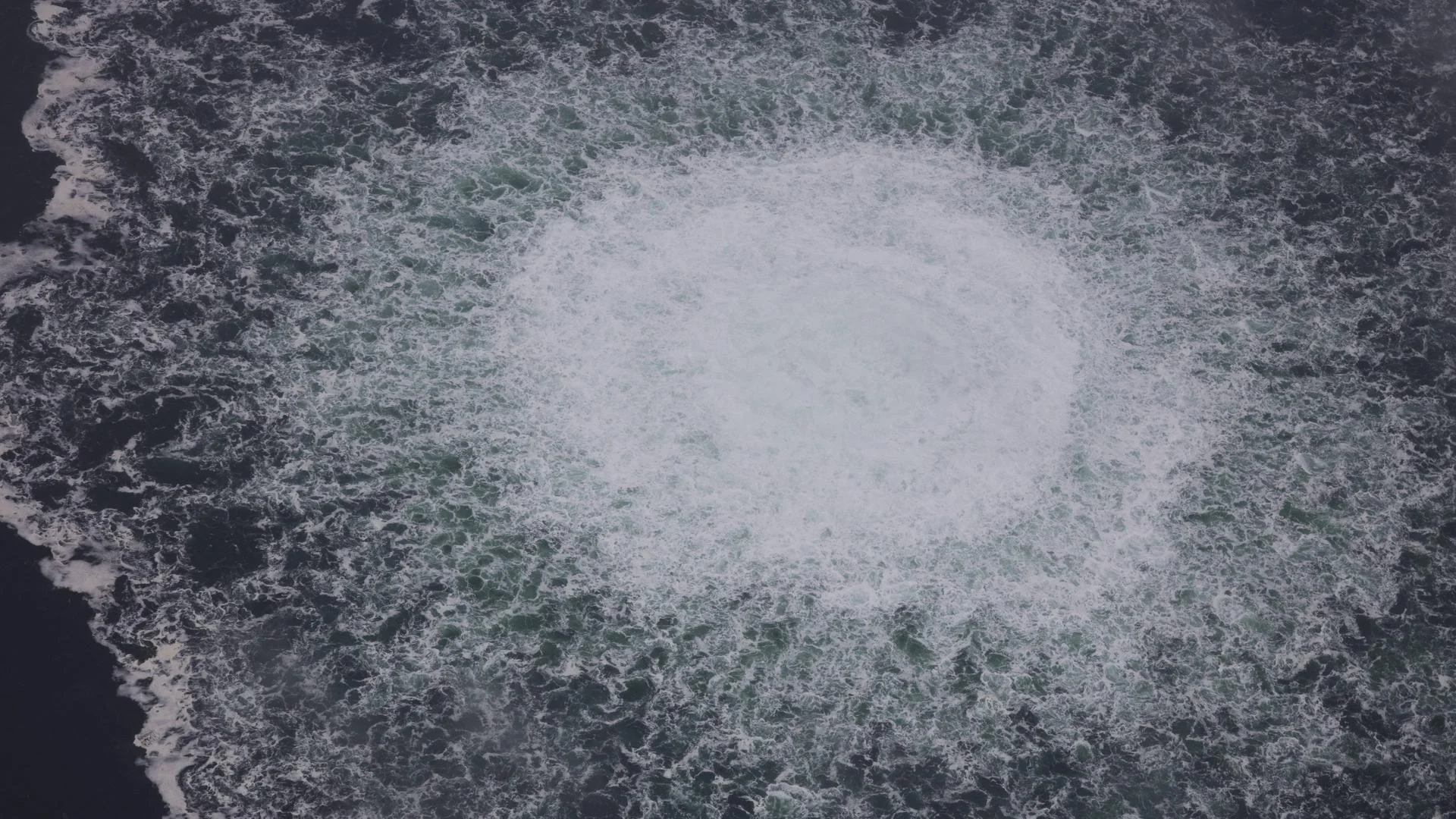
From Dr. Joachim Weber's point of view, the fact that the Ukrainian suspect can be extradited to Germany and subsequently questioned is encouraging news, as it will enable as much information as possible to be gathered about those responsible for the pipeline explosion. After all, it constituted “[...] the largest, most serious, and ultimately most expensive attack on German infrastructure since World War II,” according to the security expert. The indirect damage amounts to hundreds of billions of euros. In Dr. Weber's view, there is currently ample evidence to suggest that Ukraine was involved in the act of sabotage. If so, it will be difficult for Germany to return to “business as usual” in its relations with Ukraine, Dr. Weber explained.
At the same time, Dr. Weber warned against jumping to conclusions and accusing Ukraine's President Zelenskyy across the board. It may be that Ukraine's secret services and military carried out the attack independently and that Zelenskyy was “[...] bypassed in the decision-making process [...],” Dr. Weber acknowledged.
At the end of the discussion, the political scientist summarized the consequences of the Nord Stream attack on the protection of maritime infrastructure in the Baltic Sea. Despite the inability to permanently protect all maritime infrastructure, the German federal government is aware of the threat situation in the Baltic Sea: “There have been significant developments in maritime structures, and further developments are underway and emerging.”