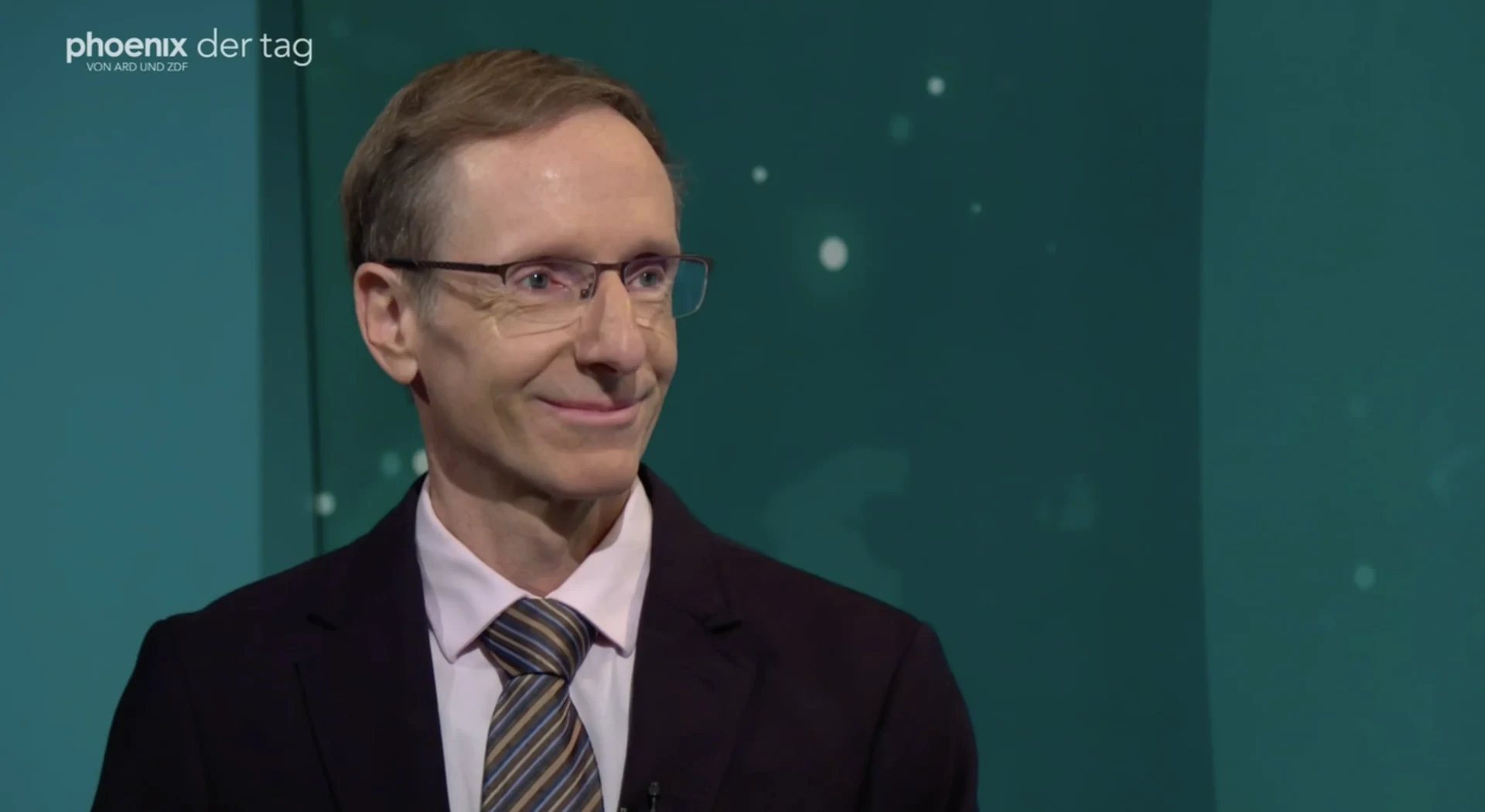
Having examined the draft more closely, the expert is cautiously optimistic, as he sees it as a far-reaching concession by Russia compared to its previous stance. In the paper, Moscow refrains from demanding a change of government in Kyiv, no longer calls for full recognition of all four annexed oblasts, and shows willingness to provide €100 billion from frozen Russian assets for a reconstruction fund for Ukraine. Furthermore, Kyiv's EU membership is no longer categorically ruled out.
At the same time, Dr. Weber emphasized that the implementation of these concessions is crucial and that key Russian demands, such as the reduction of the Ukrainian army and the exclusion of NATO membership, remain in place. He critically noted that Europe had once again been sidelined in the negotiations, and yet was bearing the brunt of the burden by financing Ukraine's national budget and military aid and would be investing heavily in reconstruction in the future.
In conclusion, he classified the plan as a first “negotiable” draft that still left considerable room for clarification on security guarantees and detailed issues. Dr. Weber argued that the proposal should be taken seriously and used as an opportunity for further talks.