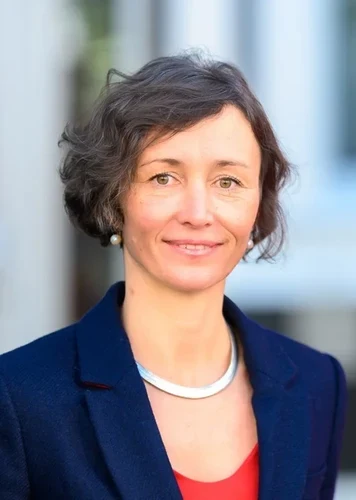
In an op-ed for the Frankfurter Rundschau on September 29, 2026, Prof. Dr. Anna-Katharina Hornidge took stock of the 81st UN General Assembly in New York and asked who actually sets the international rules. The focus was on three global threats: the collapse of the rules-based order in favor of the “law of the jungle,” the challenges posed by artificial intelligence, and climate change.
The U.S. and China, in particular, projected an air of power. Donald Trump prioritized the projection of strength over international law and human rights, citing the possible “annihilation” of Iran as an example. Xi Jinping did not appear before the UN at all; instead, the two heads of state met bilaterally in Washington. Smaller and medium-sized countries such as Brazil, Canada, Germany, and Finland struck a more constructive tone, particularly on the topic of AI, where they called for common guidelines and safety standards to ensure that the global race does not further exacerbate the risks.
On the sidelines, discussions also centered on the succession of UN Secretary-General António Guterres, set to begin in January 2027. There is talk of seven candidates, and the hope was frequently expressed that this time the position should go to a woman from Latin America.