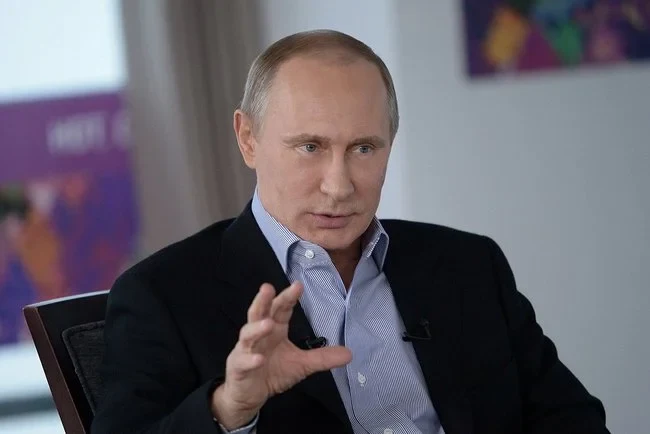
According to media reports, Russian President Vladimir Putin made a peace offer to Trump on the condition that Ukraine cede the entire Donbass region to Russia. Meanwhile, the US president mentioned security guarantees for Ukraine based on the same logic as the mutual defense clause in Article 5 of the North Atlantic Treaty, without offering Kiev the prospect of NATO membership.
From Dr. Weber's perspective, under these conditions, a peace agreement between Russia and Ukraine is within greater reach, even if numerous hurdles still need to be overcome. Against the backdrop of Ukraine's immense losses, ceding the entire Donbass region to Russia would pose a domestic political challenge for Ukrainian President Zelensky, for example. However, Dr. Weber noted that a possible peace agreement would be unfair to Ukraine either way, as the Western powers are currently concerned with “damage control.” Consequently, an unfair peace is still more desirable than a continuation of Russian air strikes against Ukrainian cities and military positions, according to Dr. Weber.
With regard to the design of a possible peace agreement in Ukraine, the security expert referred to the United Nations' longstanding experience in peacekeeping missions. Blue helmets from countries not directly involved in the arming of Ukraine could monitor the future post-war border between Ukraine and Russia with the aim of preventing new, possible attacks by Russian forces. As direct supporters of Ukraine, European countries are less well suited to such a peacekeeping mission in Ukraine, Dr. Weber summarized.